Framingham Wood Flooring has spent more than 20 years on wood flooring in Brookline and the surrounding region, and a large share of our Brookline work happens inside a single unit rather than a whole house. We sand and refinish oak, repair boards damaged by leaks, install new solid and engineered floors, and rebuild stairs one tread at a time. The questions that shape a job here are often about the building as much as the floor: who lives below, when the unit changes hands, and what paperwork surrounds the sale.
That is why we start with a conversation about timing before we talk about stain colors. A floor refinished the week before a closing, a unit renovated between owners, and a building newly split into condominiums each call for a different schedule, a different dust plan and a different finish. We plan the work around those dates so the floor is cured, clean and ready when the keys move.
Below we explain how condominium creation works in Brookline, what owning a unit in a shared building means for floor work, how the town’s conversion history shaped its housing, and how we plan a project from first visit to final coat.
Floors When a Brookline Building Becomes Condominiums
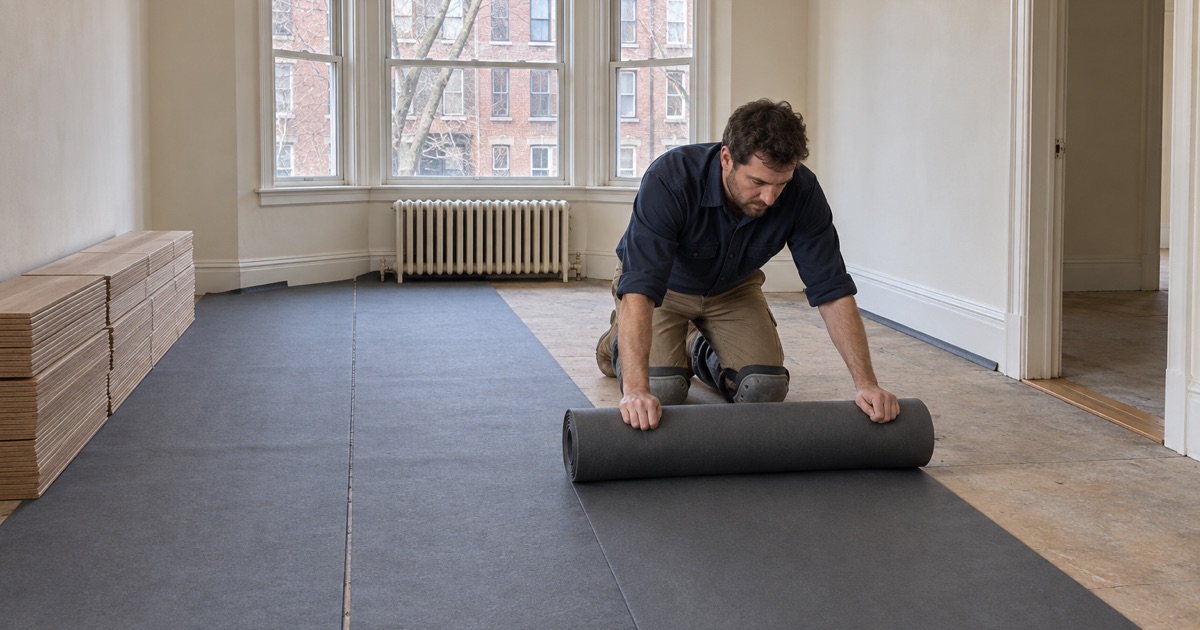
Brookline treats the creation of a condominium as an event the town wants to see. Under By-Law Article 5.2, the owner or owners who create a condominium under M.G.L. c.183A must file a copy of the master deed with the Town of Brookline Building Department within 48 hours after the master deed is recorded. The town then inspects the condominium premises. For an owner converting a two-family or a small apartment building, that filing deadline opens a short, busy stretch of calendar.
What Article 5.2 Asks After the Master Deed Is Recorded
The by-law, as printed on the Building Department’s Condominium Conversion Application, sets out two inspections. The Health Department inspects the premises within a reasonable time, and the Building Department inspects for compliance with State and local codes. Through that process, a Certificate of Inspection issues for each condominium unit.
The application is filed one unit at a time, together with the master deed and plans, and the town’s form lists a fee of $100 per unit. A four-unit conversion therefore means four applications and four certificates, not one. Owners who are converting usually have an attorney handling that filing, and we simply ask for the expected dates so our schedule lines up with theirs.
We want to be clear about what we do not know. The by-law text we have read describes who inspects and under which codes; it does not say that the inspections look at floors, and we will never tell a Brookline owner that a refinished floor is needed for a certificate. What the process does create is a set of dates, and floor work is far easier to plan when everyone knows them.
Where Floor Work Fits Around a Conversion
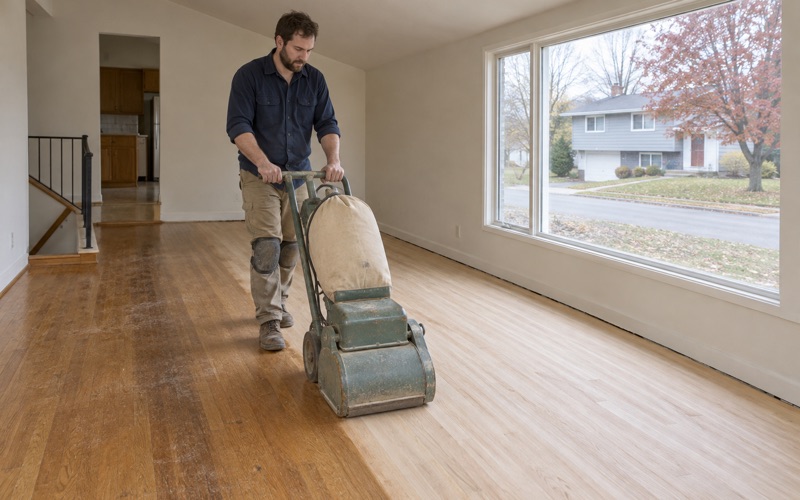
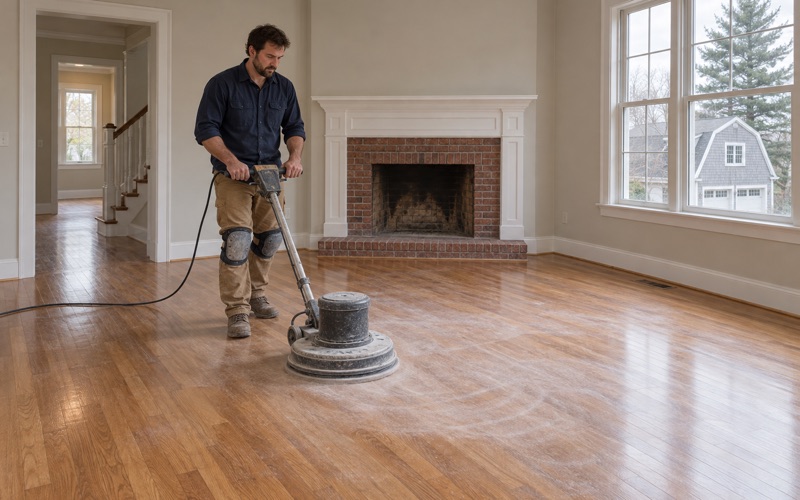
Owners converting a building often want each unit’s floors refinished before the units are listed, so every buyer walks into bright, even oak. Sanding a building unit by unit lets us keep one unit sealed while the next is finished, and it lets each coat cure without foot traffic from painters and electricians. We usually ask to be scheduled after the messiest trades and before the final cleaning.
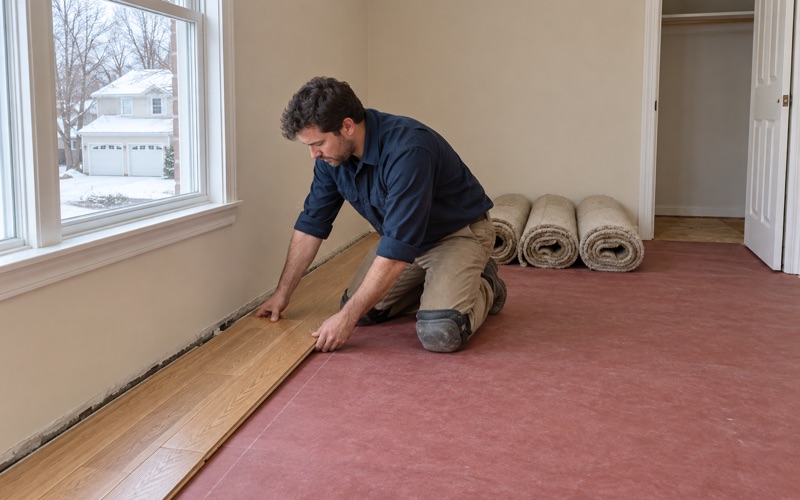
Conversions also turn up floors nobody has looked at in years. Carpet pulled from a rear bedroom can reveal red oak with carpet pad residue, rows of carpet staples and tack strip holes along the walls. We clear all of that before the drum sander touches the boards, then fill the holes with matched wood filler so they do not read as a dotted border once the finish goes on.
Looking for wood-flooring closer to Franklin Town? See Franklin Town Wood-Flooring.
Owning a Unit in a Shared Building
For Brookline owners, shared walls and shared floors are the common case. According to the American Community Survey 2024 five-year estimates, 59.5 percent of owner households, 7,690 of 12,925, own a home in a building of two or more units. Another 3,762 owner households, or 29.1 percent, own in buildings of five or more units. For a flooring contractor, that means most owner jobs here come with a neighbor on the other side of the subfloor.
Leaks That Start Somewhere Else
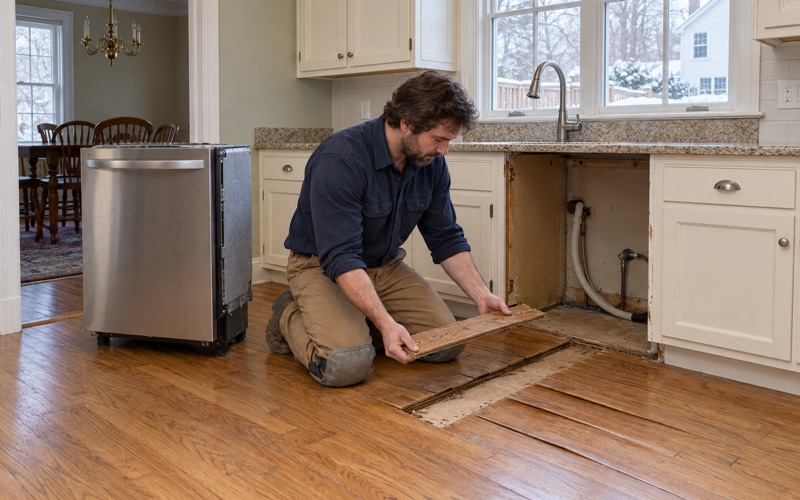
In a stacked building, the water that damages a floor did not always start in the unit where the stain shows. A dishwasher supply, an ice maker line or a hot-water baseboard pipe can let go upstairs or next door and spread under the boards before anyone notices. We trace the source, pull the affected boards where needed and read the remaining floor with a moisture meter before replacing anything, because boards laid over a wet subfloor can cup or buckle within a season.
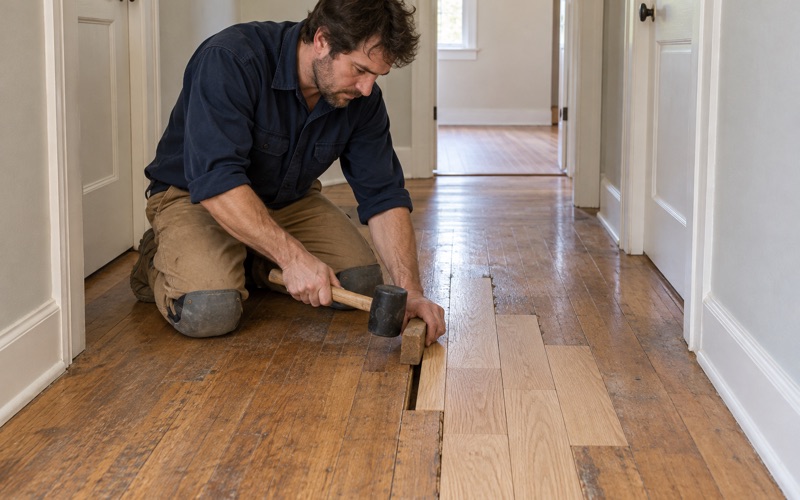
When an insurance claim is involved, we document the damage room by room, with moisture readings and photos, so the adjuster can see what was wet and what was not. In a shared building, that record also helps sort out whose policy covers which part of the repair. We then weave new boards into the existing floor so the repair does not read as a patch.
Working With Neighbors Close By
Floor work in one unit is felt by the rest of the building. We run dustless sanding with HEPA vacuum collection, carry equipment through common halls with care, and keep the loudest passes to reasonable daytime hours. Owners usually let neighbors and any building manager know the work is coming, and we give them the dates to pass along.
Finish choice matters in a shared building too. Massachusetts sets its own VOC limits for wood coatings under 310 CMR 7.25, stricter than the federal ones, and we select waterborne polyurethane or hardwax oil products that meet them. A lower-odor finish is kinder to the unit next door, and a waterborne coat dries quickly enough to put a unit back in use sooner.
How Brookline’s Condo Conversions Took Shape
Brookline has regulated condominium conversion for decades. In 1981 the town required a special permit to convert an apartment building of four or more units to a condominium, under a special enabling law. In 1986 it adopted two local by-laws on condo conversion and tenant protection. The 1994 statewide law that ended rent control named Brookline’s 1981 condo law among those abolished.
Today’s conversion form still carries a trace of that history: it records whether the building was one of four or more units on August 20, 1982. We do not interpret what that answer means for a particular owner, since that belongs with the town and the owner’s attorney. It does show that a unit being converted today may sit in a building with a long record behind it.
A Town of Renters and Unit Owners
Renters are the majority in Brookline. Of 27,587 occupied housing units, 14,662, or 53.1 percent, are renter-occupied, against 12,925 owner-occupied. Units can move between the two over time, sold as condominiums, rented out by an owner or bought by an owner-occupant, and each change is a natural moment to deal with the floor.
For landlords, we turn floors around between tenants: a screen and recoat where the finish is only dull, a full sanding where traffic lanes have worn to bare wood, and board replacement where pet urine stains have turned black. The gap between one lease ending and the next beginning is often short, so we tell owners up front how long each finish needs before furniture can return.
Older Buildings Under the Finish
More than half of Brookline’s housing is old. Of 28,873 housing units, 14,941 were built in 1939 or earlier, 51.7 percent of the total. An older unit may hold site-finished oak or maple that has been sanded before, so we check how much wood remains above the tongue and groove before we promise another full sanding.
Build year matters for safety as well. Massachusetts runs its own lead-safe renovation rules for homes built before 1978, so we confirm the building’s age and check painted surfaces such as baseboard, quarter round and stair risers before any sanding begins. That step comes first on every older job, never partway through it.
Planning a Floor Project in Brookline
Many of the Brookline floor projects we plan are tied to a date: a closing, a listing, a conversion or a new tenant. We visit, measure, look at the boards under good light and check for moisture, then build the schedule backward from that date. The goal is a floor that has fully cured before anyone drags furniture across it.
Choosing a Tone Before a Sale
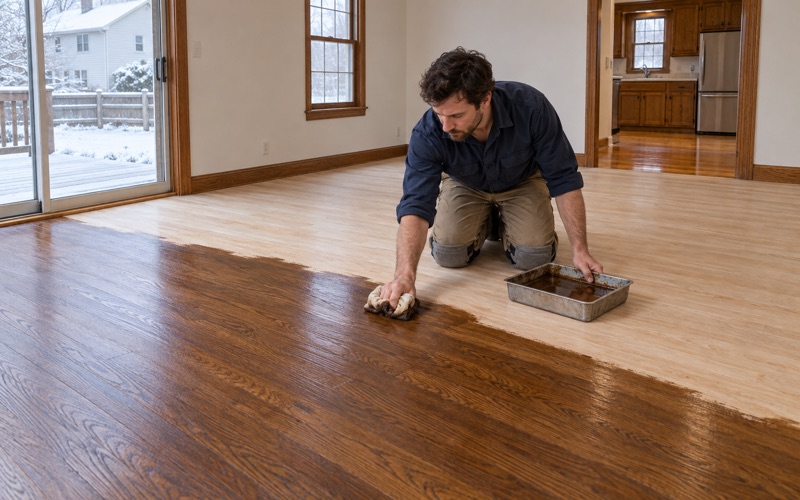
Red oak and white oak finished years ago with oil-based products often drift toward orange and yellow. When a unit is going on the market, that color can be the first thing a buyer notices. We lay stain samples on the actual floor, including a natural option with no stain at all, so the owner chooses from real boards instead of a printed chart.
Sheen level is the second choice. A satin or matte finish hides light scratches and dust better than gloss, which helps a unit that will be shown many times. We explain how each option wears so the decision still holds up after the sale.
Engineered Floors and Stairs
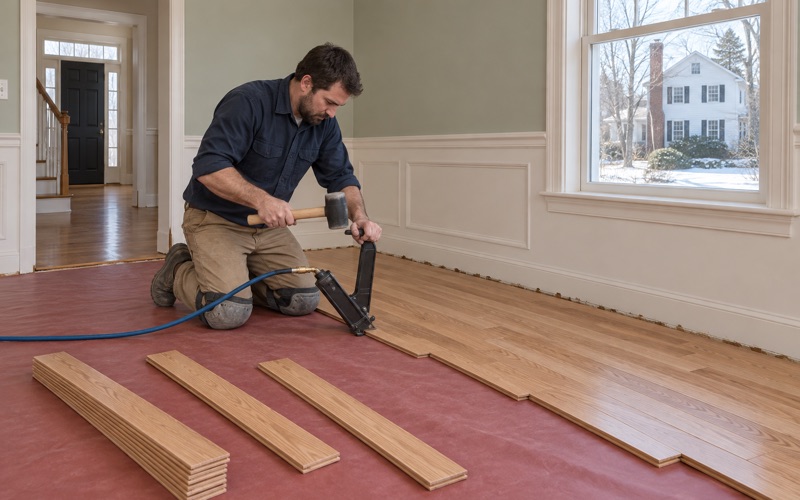
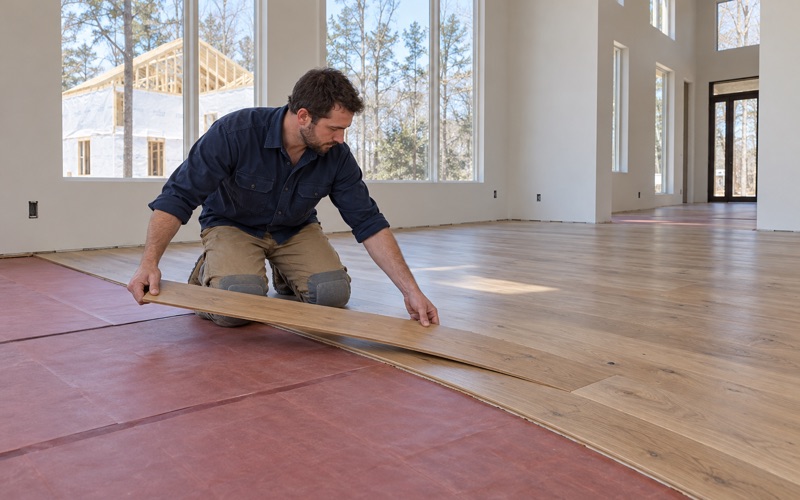
Newer units and recent renovations sometimes carry engineered flooring with a plywood core. Before we suggest refinishing one, we measure the engineered wear layer, because a thin top layer may only allow a screen and recoat. Where the wear layer is too thin to sand, we talk about replacing the floor rather than sanding through it.
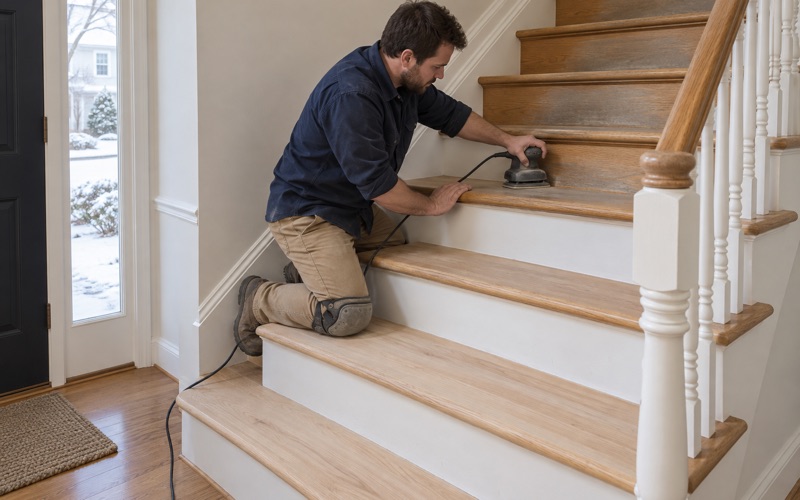
Stairs inside a two-level unit are priced on their own. We quote stair treads and stair risers individually, with nosing repair where it is needed, rather than folding them into a square-foot price. That way an owner sees exactly what the stairs cost and can decide whether to include them in the project.
What to Have Ready for Our Visit
It helps to know the building’s approximate build year, the sale or conversion date if there is one, and any history of leaks in the unit or the one above it. If the unit belongs to an association, owners typically review the association’s own rules before work starts. With that in hand, we can give a Brookline owner a clear scope, a realistic schedule and a finish that suits both the floor and the building around it.
- 20+ Years on Wood Floors
- Free Written Estimates
- Lead-Safe Work Practices